
Get Your Breast Pump Through Insurance: The Ultimate 5-Step Guide
Get Your Breast Pump Through Insurance: The Ultimate 5-Step Guide
Getting ready for a new baby is… well, it’s a lot. There’s the crib, the car seat, the tiny adorable socks you can’t resist buying, and a to-do list that seems to grow every single day. Amidst all the excitement and planning, practical items like feeding supplies are high on the list. If you’re planning to breastfeed, you’ve probably wondered about the cost of a good breast pump.
Well, I’ve got fantastic news for you: getting a breast pump through insurance is not only possible, it’s a right for most new parents in the United States. Thanks to the Affordable Care Act (ACA), most health insurance plans are required to cover the cost of a breast pump.
But knowing it’s covered and actually getting one are two different things, right? The process can feel a little confusing, and the last thing you need right now is more stress.
Don’t worry. We’ve got you. Think of this as your friendly, step-by-step guide to navigating the system with confidence.
First, Why Is This Even a Thing? (A Quick Thank You to the ACA)
Before we jump into the “how,” let’s quickly cover the “why.” The Affordable Care Act requires that most private health insurance plans provide coverage for breastfeeding support, counseling, and equipment for the duration of breastfeeding. This is considered a preventive health service.
This was a huge step forward in supporting new families. It recognizes that breastfeeding has significant health benefits for both baby and parent and aims to remove financial barriers. You know, it’s one less thing for you to worry about.
How to Get Your Breast Pump Through Insurance: A Step-by-Step Guide
Ready to get this done? It’s probably easier than you think. Let’s walk through it together.
Step 1: Get a Prescription from Your Doctor
This is your official starting point. While some suppliers might not require it upfront, having a prescription is the single most important step to ensure a smooth process.
- Who to ask: Your OB-GYN, midwife, or primary care physician can write you a prescription for a breast pump.
- When to ask: You can typically get this prescription during one of your third-trimester appointments. Don’t wait until the last minute!
- What it should say: It should simply state the need for an “electric breast pump” or “breastfeeding pump.” Your doctor will know exactly what to do.
Having this piece of paper in hand (or a digital copy) is your golden ticket.
Step 2: Understand Your Specific Insurance Coverage
This is where a little bit of detective work comes in, but it’s crucial. Not all insurance plans are created equal, so a quick phone call can save you a ton of headaches later.
Find the member services number on the back of your insurance card and give them a call. When you get someone on the line, here are the key questions to ask:
- “What are my benefits for a personal-grade, double-electric breast pump?” Be specific. This helps them give you the right information.
- “Do I need to use a specific supplier?” Most insurers have a list of approved “Durable Medical Equipment” (DME) suppliers. Using an out-of-network supplier could mean you have to pay out of pocket.
- “Is there a dollar limit on what you’ll cover?” This will tell you if you can get a higher-end model fully covered or if you’ll need to pay an “upgrade fee.”
- “When can I order my pump?” Some plans allow you to order it anytime during your pregnancy, while others require you to wait until 30 days before your due date or even after the baby is born.
- “Do you cover hospital-grade pump rentals?” This is important to know, especially if you have a NICU stay or are having trouble with your milk supply initially.
A quick note on “Grandfathered Plans”: A small number of health plans that existed before the ACA was passed in 2010 are considered “grandfathered” and may not be required to provide this coverage. It’s rare, but it’s worth asking if you run into any trouble.
Step 3: Find an Approved DME Supplier
Once you know your plan’s rules, it’s time to find a supplier. That “Durable Medical Equipment” supplier we mentioned is simply a company that’s contracted with your insurance to provide medical gear, including your breast pump through insurance.
You have two main options:
- Use the list from your insurer: Your insurance company will give you a list of approved national or local suppliers.
- Use a national, full-service supplier: Many companies now specialize in handling this entire process for you. You provide your insurance and prescription info on their website, and they do all the legwork. They’ll show you exactly which pumps are 100% covered under your plan.
Honestly, the second option is often the easiest. These companies are pros and have streamlined the entire process.
Step 4: Choose Your Breast Pump
This is the fun part! Based on your insurance coverage, you’ll see a selection of pumps. So, how do I get breast pump through insurance that’s actually the one I want?
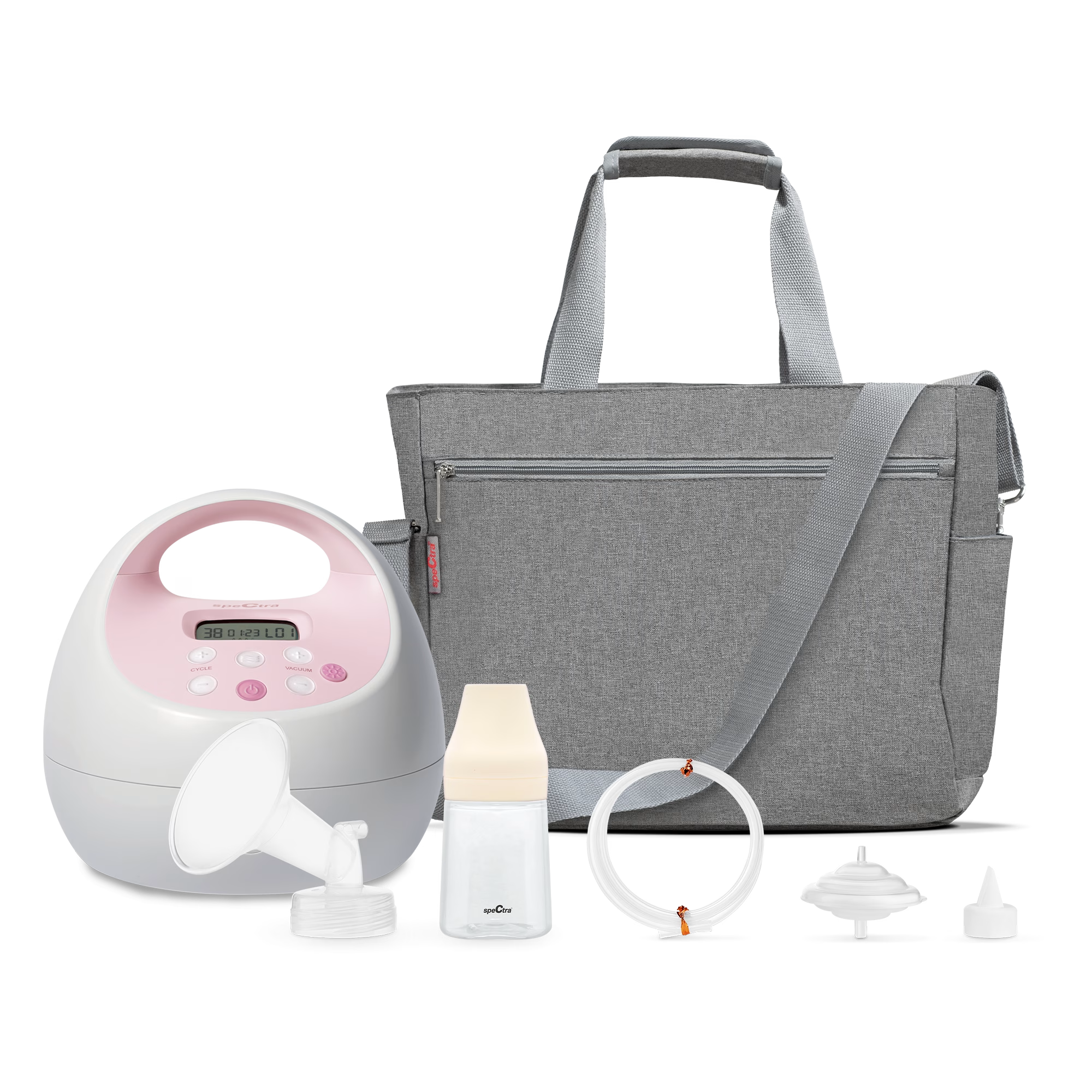
- Fully Covered Options: You will almost always have several great double-electric pumps that are 100% free. Brands like Spectra, Medela, Ameda, and Lansinoh are common.
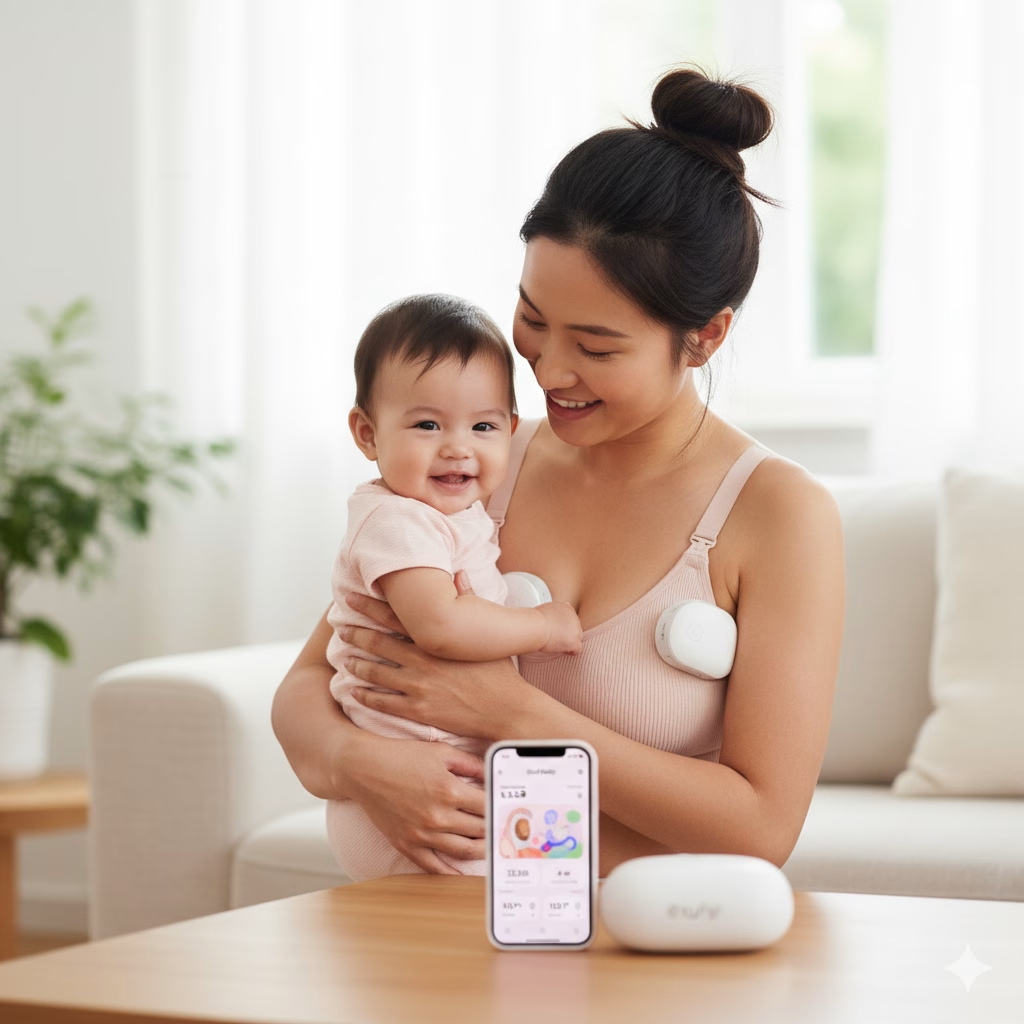
- Upgrade Options: Maybe you have your heart set on a hands-free wearable pump or one with more bells and whistles. Many suppliers will show you these “upgrade” models. Your insurance will cover their approved amount, and you simply pay the difference. For some families, this extra cost is totally worth it for the convenience.
If you need help deciding, check out our article on [Link to Your Hospital-Grade Pump vs. Personal Pump Article].
Step 5: Place Your Order!
You’re at the finish line. Once you’ve picked your pump, you’ll just need to provide the supplier with your information:
- Your prescription
- Your health insurance information (member ID, group number)
- Your shipping address
- Your due date
The DME supplier will verify your coverage with your insurance company, process the order, and ship the pump directly to your door. That’s it!
Frequently Asked Questions (We’ve Heard Them All!)
When is the best time to order my pump?
It depends on your insurance plan (see Step 2!), but a good rule of thumb is to start the process early in your third trimester. This gives you plenty of time to handle any potential hiccups without feeling rushed.
What about replacement parts and supplies?
This is a fantastic question. Many insurance plans also cover replacement supplies, like new tubing, valves, and breast shields, for a certain period after birth. Ask your insurance company about their specific policy for “breast pump supplies.”
Can I just buy a pump at a store and get reimbursed?
It’s usually not recommended. Most insurance plans require you to go through an approved, in-network DME supplier. Buying it at a retail store and submitting the receipt often leads to a denied claim. Follow the process to guarantee coverage.
What if I want a specific brand that isn’t covered?
If your dream pump isn’t an option, you have a few choices. You can choose one of the fantastic fully-covered models (they really are great!) or opt for an upgrade model and pay the difference. You can also use funds from a Flexible Spending Account (FSA) or Health Savings Account (HSA) to pay for an upgrade or a second pump.
You’ve Got This!
Navigating insurance can feel like a chore, but getting your breast pump through insurance is a huge benefit that you’ve absolutely earned. By following these steps—getting a prescription, calling your insurer, and working with an approved supplier—you can check one more major item off your baby-prep list.
For more detailed information on preventive care benefits, you can visit the official Healthcare.gov website.
If you have any more questions, don’t hesitate to reach out. We’re here to help make your journey into parenthood just a little bit easier.